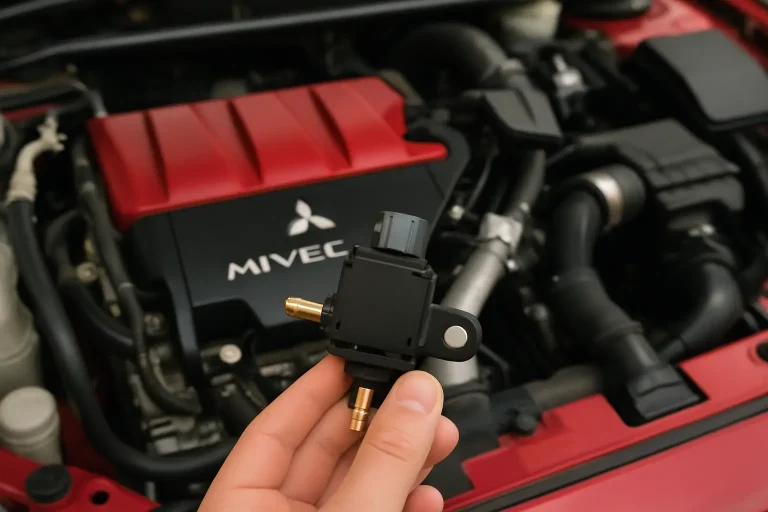
Evo X Clutch Kits That Stay Street-Friendly
Stop-and-go traffic is where most “big clutch” dreams go to die.
On an Evo X, the wrong clutch kit doesn’t just feel heavy – it changes the whole personality of the car. Pedal effort creeps up, engagement turns into an on-off switch, the drivetrain chatters like it’s mad at you, and the car you love to drive becomes something you tolerate until the next mod.
If you’re searching for an evo x clutch kit street friendly enough to daily, you’re already thinking the right way. Street-friendly isn’t “stock power only.” It means the clutch matches how you actually use the car: commuting, backroads, occasional pulls, maybe a track day or two – without punishing you every time you leave a light.
What “street-friendly” really means on an Evo X
Street-friendly is a balance of four things: engagement behavior, pedal effort, noise/vibration, and heat tolerance. You can push one of those hard, but if you push all four at once you’re shopping for compromises.
Engagement behavior is the biggest one. A clutch that bites high and grabs instantly can feel “race car,” but it’s brutal in parking lots and hard on driveline parts when you’re not perfectly smooth. A street-friendly kit gives you a predictable friction window – you can slip it a touch without it protesting, and you can modulate it in traffic.
Pedal effort is next. Most people can live with slightly heavier than stock, but once you cross that line, daily driving turns into calf day. Many kits increase clamp load to hold torque, but the best street combos do it without an excessive pedal by pairing pressure plate design with the right friction material.
Noise and vibration is where people get surprised. The Evo X trans and AWD driveline will amplify chatter. If you’ve ever heard a puck clutch rattle at idle with the A/C on, you know what we mean. If “street-friendly” is the goal, you’re generally trying to avoid unnecessary chatter – especially in neutral, at idle, and in low-RPM cruising.
Finally, heat tolerance. Daily drivers still see heat – hill starts, traffic, spirited runs, and that one friend who wants to “see it launch.” A street-friendly kit should handle occasional abuse without glazing, but that doesn’t mean it needs to be a full competition setup.
The Evo X clutch kit street friendly decision comes down to the disc
Pressure plates get the spotlight, but disc design is what you feel every day.
A full-face organic disc is the closest thing to OEM behavior. Engagement is smooth, chatter is minimal, and it’s forgiving if you’re not perfect. The trade-off is torque capacity. Organic is the right answer for many bolt-on Evo X builds, especially if you’re not living on launch control.
A full-face “performance” friction (often a Kevlar blend or a higher-temp organic) is the next step when you want more hold without turning the car into a switch. These tend to keep a smooth engagement but tolerate heat better. The trade-off is that some of them can feel slightly less “grabby” until they’re bedded in, and they often demand a disciplined break-in.
A segmented full-face, sometimes called a “sprung segmented” disc, is where street-friendly and performance start overlapping. You get more bite and typically more torque capacity than pure organic, while still keeping a broader engagement window than a puck. Depending on the exact friction, you may hear more driveline noise at idle, but it’s usually manageable for a street car.
A puck-style disc (4/6 puck, ceramic/metallic) is where most street-friendly goals fall apart. Yes, it holds torque and takes heat. But it usually increases chatter, engagement harshness, and shock load through the driveline. If you’re building a drag-focused Evo X and you accept the manners hit, it can be the right tool. For a daily, it’s usually the regret purchase.
Single-disc vs twin-disc: where the street manners can actually improve
A lot of people assume “twin-disc” automatically means “hardcore.” Not always.
A well-designed twin-disc can be surprisingly streetable because it achieves torque capacity with surface area instead of extreme clamp load. That can mean a reasonable pedal and strong holding power. Engagement can still be more abrupt than stock depending on friction material, and some twins have the classic floater plate noise at idle.
So when does a twin make sense for a street-friendly Evo X? Usually when power goals are high enough that a single-disc would need aggressive friction or a very stiff pressure plate. If you’re aiming for a responsive daily that also makes big torque on ethanol or a larger turbo, a street-oriented twin can be the “nice” option, not the harsh one. The price and potential idle noise are the trade-offs.
The overlooked factor: clutch actuation and the Evo X hydraulic system
You can buy the perfect clutch and still hate it if the rest of the system is tired or mismatched.
The Evo X uses a hydraulic clutch system, and small issues show up as big drivability problems: inconsistent engagement point, poor release, hard shifting when hot, or a pedal that feels fine one day and weird the next.
If you’re chasing street-friendly, think of the clutch kit as part of a package. A healthy master and slave cylinder matter. So does fluid condition. And if you’re upgrading to a higher clamp setup, the margin for weak hydraulics shrinks fast.
There’s also the simple reality of pedal feel: some “heavy pedal” complaints are actually binding in the pedal assembly, worn bushings, or air in the system. Fix the foundation before blaming the clutch.
Match the clutch to how you drive – not just your dyno number
Torque is what moves the clutch, not horsepower. An Evo X on a stock turbo with a torque-heavy tune can stress a clutch harder than a higher-horsepower setup that ramps torque in later.
If your car is a true daily that sees occasional fun runs, you’re usually best served by a full-face organic or a street performance full-face disc paired with a balanced pressure plate. You get the OEM-style engagement you want, and the clutch becomes something you forget about – which is the best compliment a street clutch can get.
If you’re a “daily plus track days” owner, you need heat tolerance without the on-off engagement. This is where performance organic or segmented full-face setups tend to shine, especially if you’re consistent about break-in and you’re not trying to dead-hook every launch.
If you’re drag racing regularly, launching hard, or you’re pushing a bigger turbo with aggressive torque down low, you’re probably leaving the street-friendly category no matter what. You can still choose the least-annoying option, but it’s better to be honest: the car’s mission is changing, and the clutch feel will change with it.
Street-friendly also means thinking about drivetrain shock
Evo X drivetrains are tough, but shock loads are real. Abrupt engagement doesn’t just make traffic annoying – it can accelerate wear on mounts, axles, transfer case components, and even contribute to wheel hop issues if the rest of the setup isn’t sorted.
A smoother-engaging disc can be a reliability mod, not just a comfort choice. If your goal is “race-ready reliability,” a clutch that delivers torque without hammering the driveline is often the smarter long-term play.
This is also why sprung hubs generally feel better on the street. They help absorb torsional vibration and smooth engagement. Unsprung discs can work, but they tend to transmit more noise and harshness – again, fine for competition, annoying for commuting.
Break-in is where most street clutch complaints are created
A clutch can’t feel perfect on day one if the surfaces haven’t mated. Most street-oriented clutches want a proper bedding period with normal driving and minimal hard launches.
If you skip break-in, you can end up with chatter that never goes away, hot spots on the flywheel, glazing, or a clutch that feels grabby in a bad way. That’s not the clutch “being aggressive.” That’s the friction surfaces not being given a fair chance to settle.
Also pay attention to flywheel choice and condition. A resurfaced OEM flywheel with correct step height or a quality street flywheel can make a massive difference in engagement quality. A questionable surface finish will show up as shudder, especially when cold.
So what should you buy?
If you want the safest path to an Evo X clutch kit that’s truly street-friendly, start with your realistic torque target and your tolerance for noise. If your answer to noise tolerance is “I want it quiet,” stay in the full-face organic or street performance full-face world. If you can tolerate some idle rattle for a lot more holding power, you can consider more aggressive materials or a street-oriented twin.
And don’t ignore the supporting parts and setup. A clutch kit isn’t a magic band-aid for worn hydraulics, poor tuning, or a driving style that treats every stoplight like a staging lane.
If you want fitment-checked options curated for the Evo platform, that’s exactly the lane we live in at Evo Motor Parts.
The best street clutch is the one you don’t have to think about when you’re late for work – but still trusts you to lean on it when the road opens up.