Evo 7-9 Parts That Actually Make a Difference
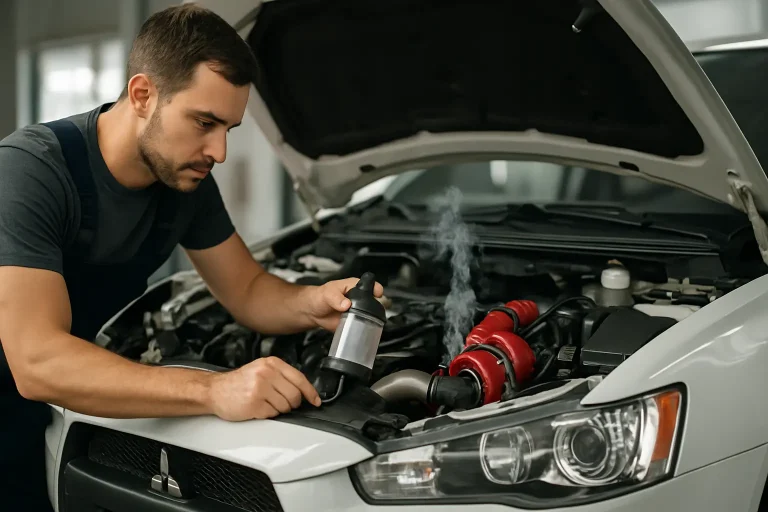
You can usually tell when an Evo VII-IX has been “parts-built” instead of properly built. Boost comes in weird, idle hunts, the cooling system is one heat soak away from a bad day, and the suspension has that nervous, darty feel that makes the car fast only in theory.
Buying evo 7 8 9 parts is not the hard part. Buying the right parts – in the right order – for your actual use case is where most builds either get dialed or get expensive.
This is a practical, platform-specific way to think about parts for the 4G63 Evo 7/8/9: what to prioritize, where quality matters most, and where “while you’re in there” can save you from doing the job twice.
Start with fitment and failure points, not horsepower
Evo 7-9 ownership is a game of managing stress. These cars were engineered for rally and boosted abuse, but they’re also 20+ years old now, and the weak links are predictable.
If you’re planning power, start by making the car consistent. That means fixing the parts that cause random misfires, unstable boost control, coolant creep, and drivetrain lash. The best mod in the world feels terrible on a car that can’t hold temps or put power down cleanly.
The trade-off is timing and budget. Refreshing “boring” components doesn’t look cool on a build list, but it’s the difference between an Evo that rips every pull and one that only feels good on the first pull.
Engine and cooling: the parts that keep you in the session
On an Evo 7/8/9, heat management is not optional. Track days, hot climates, traffic, bigger turbos – they all stack heat into the same places.
A smart cooling approach starts with the basics: hoses, clamps, thermostat health, and a radiator that can actually shed heat. Old hoses balloon and split when you finally lean on the car. A tired radiator can look “fine” right up until you add a few laps or a few pounds of boost.
Oil control matters just as much. If you’re pushing sustained RPM, an oil cooler setup (or refreshing an existing one) is cheap insurance compared to bearing work. This is one of those “it depends” areas: a mild street car in a cool region may be fine with a clean OEM-style system, but a canyon carver in summer or a track car should be treated like it’s already at risk.
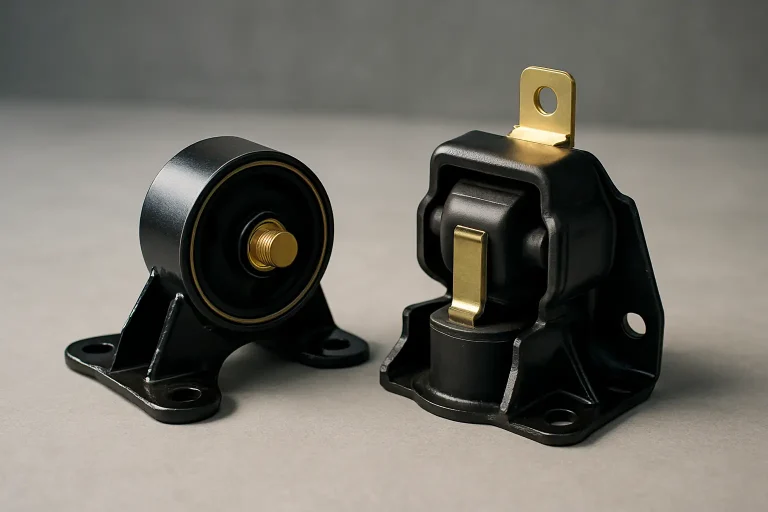
And don’t ignore mounts. Engine and transmission mounts aren’t glamorous, but they directly affect how the car shifts, how the drivetrain loads, and how reliable your intercooler piping and exhaust joints stay. Stiffer mounts can add NVH. That’s the trade – more control and less movement versus more cabin vibration. Daily drivers usually want a balanced setup, not the stiffest thing on the shelf.
Intake and intercooling: power is easy, consistency is earned
The Evo 7-9 responds to airflow, but it also punishes sloppy intake setups. MAF-based cars especially need clean, stable metering. Intake choices should be made with your tuning plan in mind, not just sound or a dyno screenshot.
Intercooling is the same story. A bigger front-mount intercooler can lower charge temps, but it can also increase volume and change transient response. On a street car, that can feel like lag if the rest of the system isn’t matched. The goal is not “biggest core,” it’s charge temps that stay controlled pull after pull.
Couplers, clamps, and piping quality are the silent heroes here. Boost leaks don’t always show up as dramatic whooshing noises. Sometimes it’s just a car that refuses to hit target boost consistently, feels flat up top, or runs weird trims. Spending on proper couplers and clamps is one of the highest ROI moves in the category.
Forced induction: choose a turbo for your gearbox, not your ego
Turbo selection for Evo 7/8/9 builds gets emotional. Everyone wants the top-end number, but the car has to live with that choice.
A responsive turbo with strong midrange is often faster in real driving than a big turbo that only wakes up at the top of third. It’s also easier on the drivetrain. The 5-speed cars (common in these generations) can be less tolerant of repeated shock loads at high torque than a lot of people want to admit. If your plan involves aggressive launches, sticky tires, and a torque spike, the transmission is part of the turbo conversation.
Boost control hardware matters, too. A quality boost control setup and wastegate strategy is the difference between “it hits” and “it hits the same every time.” That consistency is what keeps AFR and timing where the tuner expects it to be.
Fueling and ECU: the parts that decide whether the tune is safe
If you’re chasing power on Evo 7-9 parts lists, fueling is where builds either become reliable or become a science experiment.
Injectors and pump capacity should match your fuel choice and your power target with real headroom. Running everything at the edge means fuel pressure drops, injector duty cycles peg, and the tune becomes fragile to heat, altitude, and ethanol content swings.
Engine management is where the platform can get seriously sharp. Whether you’re using a reflashed factory ECU setup or stepping into standalone territory, the goal is the same: stable control of fuel, timing, boost, and safeties.
This is another trade-off area. Standalone ECUs can give you advanced control and clean integration for serious builds, but they demand proper wiring, sensors, and calibration. A poorly configured standalone is worse than a well-sorted factory ECU strategy. The right choice depends on your power goals, your tuner, and how much you value features like flex-fuel control, advanced traction strategies, and motorsports logging.
Drivetrain: stop building power like the clutch isn’t real
A clutch that “holds” is not the same as a clutch you can drive fast.
For Evo 7-9, you want engagement that matches your use. A puck clutch can hold power but can also punish the drivetrain and make the car miserable in traffic. A street-friendly performance clutch can be the better choice for most builds, even at higher power, if you aren’t chasing drag launches.
Don’t forget the supporting cast. Worn drivetrain bushings and mounts create slop that feels like bad tuning. Shifter feel gets vague, on-off throttle transitions get jerky, and wheel hop shows up when you finally add grip.
And if you’re upgrading differentials or axles, think through your tire and suspension plan. More grip increases load. More load means weak parts show themselves quicker.
Suspension and steering: fast feels calm, not edgy
Most Evo 7/8/9 cars can be transformed with suspension parts that restore geometry and eliminate compliance.
Start with the foundation: quality dampers or coilovers matched to the car’s job, plus fresh top hats and bushings where needed. Then get serious about alignment capability. Adjustable arms and links aren’t “track-only.” They’re how you get the tires working correctly after lowering, or after you add wider wheels and more aggressive tires.
The trade-off is maintenance and setup sensitivity. More adjustability means more ways to get it wrong. If you’re not going to align the car properly, don’t stack parts that require precision.
Steering components fall into the same category. Tight tie rods and healthy rack components give you feedback. That feedback is what lets you drive the car at the limit without guessing.
Brakes: build for heat, pedal feel, and repeatability
Brakes are where the Evo earns its reputation, but the wrong parts can ruin it.
Pads and fluid are the first move for anyone who drives hard. A performance pad matched to your temperature range plus high-quality fluid makes the biggest difference per dollar. Rotors matter, but they’re not magic. If you’re boiling fluid or glazing pads, a fancy rotor won’t save you.
Brake lines can improve pedal feel, but they don’t create stopping power by themselves. The real win is a brake system that feels the same at the end of a session as it does at the start.
If you’re doing occasional track days, this category is where you should overbuild slightly. The downside of “too much brake” is usually noise and dust. The downside of not enough brake is a long pedal when you need it most.
Exterior and interior restoration: the overlooked performance mod
An Evo that’s tight, sealed, and structurally “whole” is faster to drive.
Old weatherstripping, torn boots, cracked trim, and worn interior touch points don’t just look bad – they change how the car feels at speed. Wind noise increases fatigue. Loose panels and rattles mask real mechanical noises you should be hearing.
Restoration-grade OEM replacement components are the difference between a car that feels like a worn project and a car that feels like a weapon.
How to build your parts list without wasting money
If you want a parts plan that doesn’t spiral, base it on a simple truth: every upgrade adds stress somewhere else.
Get the car healthy first. Then make airflow and fueling decisions together. Then choose drivetrain parts that match how you launch and shift. Then set the suspension and brakes up so you can actually use the power.
When you’re shopping, prioritize proven fitment and reputable manufacturing over hype. Evo 7/8/9 parts that fit poorly cost you twice: once when you buy them, and again when you chase boost leaks, strange noises, or weird alignment numbers.
If you want a curated Evo-only catalog that’s built around that “tested, trusted, and recommended by real EVO owners” standard, Evo Motor Parts exists for exactly that reason.
The best Evo builds don’t feel dramatic – they feel inevitable. Pick parts that make the car repeatable, then turn the boost up on a platform that’s ready for it.