
Sale!
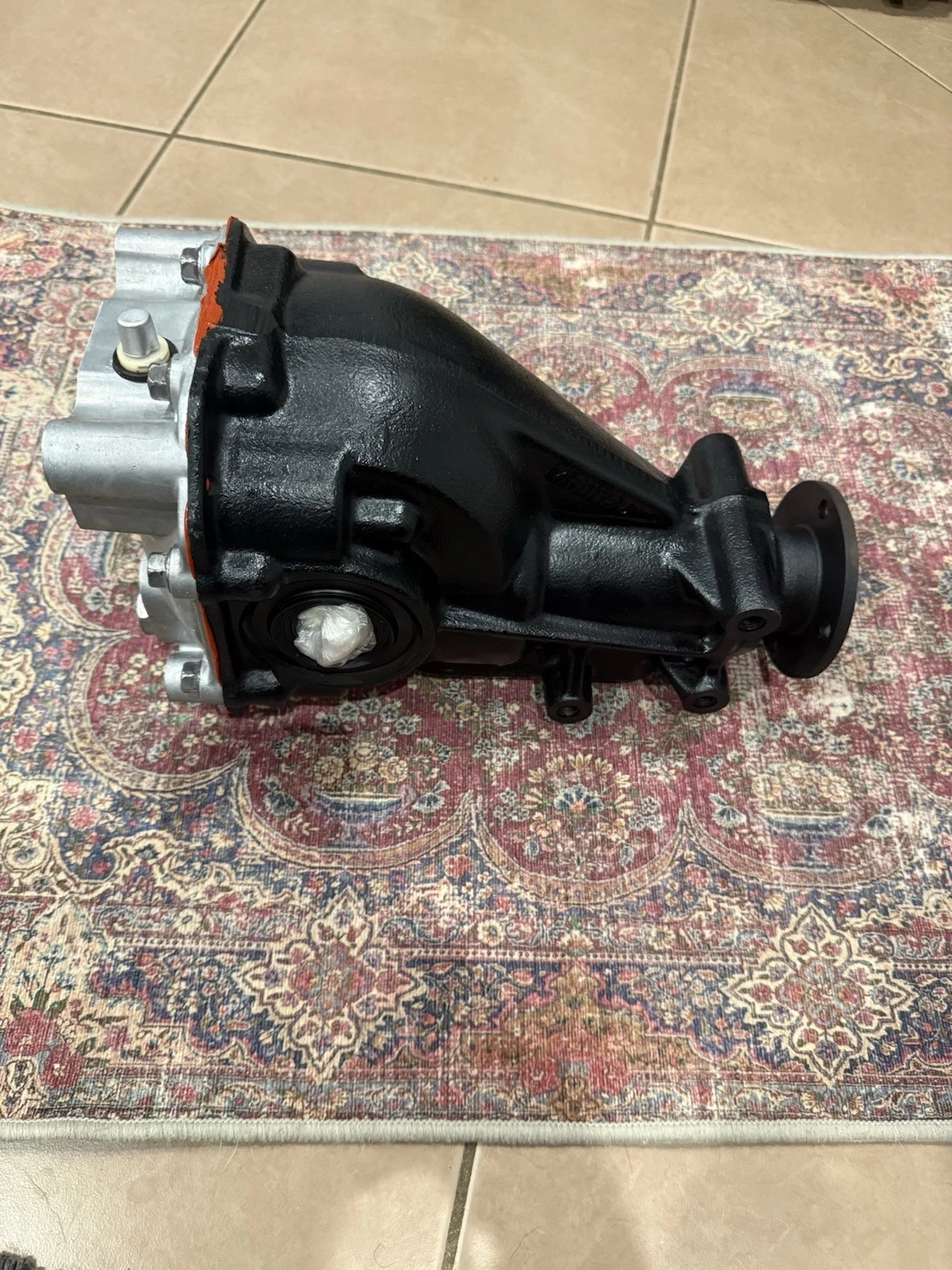
Mitsubishi Lancer Evolution 4–9 RS Rear Differential
$2,388.60 Original price was: $2,388.60.$2,030.88Current price is: $2,030.88.
68 in stock
Share Product :
Facebook
Twitter
LinkedIn
Pinterest
Description
Mitsubishi Lancer Evolution 4–9 RS Rear Differential
Firstly, Buy the Evo RS Rear Differential for selected Mitsubishi Lancer Evolution 4–9 RS models. Restore the rear drivetrain of your Mitsubishi Evolution with the Evo RS Rear Differential. Designed for Mitsubishi Lancer Evolution IV, V, VI, VII, VIII, and IX RS applications, this rear differential is an important component for maintaining the vehicle’s four-wheel-drive system and delivering engine power to the rear wheels.
The rear differential allows the rear wheels to rotate at different speeds while cornering. This is essential for smooth handling and proper drivetrain operation. On RS-specification Evolution models, the rear differential configuration is particularly important because it can differ from the AYC-equipped units found in other versions.
Whether you are repairing a damaged drivetrain, restoring an RS model, or sourcing replacement components for a Mitsubishi motorsport project, choosing the correct rear differential is essential. The generation, final-drive ratio, differential type, and vehicle specification must all be considered before ordering.
This listing is intended for Mitsubishi Evolution IV through IX RS applications. However, these generations do not all use one identical rear differential. Always confirm the original part number and drivetrain configuration before purchasing.
Evo RS Rear Differential – Rear Drivetrain Component
The Evo RS Rear Differential is designed for the rear axle of the Mitsubishi Lancer Evolution. It plays an important role in transferring engine torque through the drivetrain and distributing power between the rear wheels.
RS models are popular among enthusiasts because of their competition-focused specifications and lightweight approach. Their rear differential arrangements can differ from GSR and other AYC-equipped configurations.
Firstly, the rear differential allows the two rear wheels to rotate at different speeds when the vehicle turns. This helps maintain smooth cornering and reduces unnecessary drivetrain stress.
Secondly, the differential manages torque delivery across the rear axle. The correct differential type is important for maintaining the intended handling and traction characteristics of the vehicle.
Thirdly, selecting the correct RS differential helps preserve drivetrain compatibility. A unit with the wrong final-drive ratio or housing specification can create problems when connected to the existing transmission and transfer-case assembly.
Mitsubishi Evo 4–9 RS Rear Differential Applications
The Mitsubishi Lancer Evolution IV through IX covers several generations of the 4G63-powered Evolution platform. Although these vehicles share important engineering features, their rear drivetrain components are not necessarily interchangeable.
This rear differential listing covers the following intended applications:
-
Mitsubishi Lancer Evolution IV RS
-
Mitsubishi Lancer Evolution V RS
The exact differential specification must match the vehicle. Earlier CP9A models and later CT9A models can use different rear differential assemblies and related components.
For example, the Evo IV RS, Evo V/VI RS, and later Evo RS models have different original part-number applications. This means buyers should not rely on the model name alone when checking compatibility.
Key Features and Benefits
Important benefits of selecting the correct replacement include:
-
RS drivetrain application: Intended for Mitsubishi Evolution RS models across selected generations.
-
Rear axle power distribution: Supports torque delivery between the rear wheels.
-
Differential operation: Allows the rear wheels to rotate at different speeds during cornering.
-
Replacement solution: Suitable for projects involving rear differential replacement or drivetrain restoration.
-
Performance vehicle application: Relevant to road, track, rally, and motorsport-focused Evo builds.
-
Factory drivetrain compatibility: Helps maintain the intended rear differential arrangement when the correct specification is selected.
The exact internal differential type and supplied components should be confirmed before purchase. Do not assume that every unit has the same limited-slip specification, final-drive ratio, or included mounting hardware.
RS Rear Differential vs AYC Rear Differential
One of the most important considerations when buying a Mitsubishi Evolution rear differential is the difference between RS and AYC configurations.
Many RS models use a conventional mechanical rear differential rather than the electronically controlled AYC arrangement found in various GSR and other Evolution models. However, some later RS specifications offered AYC as an option, so the RS badge alone does not guarantee the differential type.
An AYC rear differential uses an active torque-control system to manage torque distribution across the rear axle. A conventional mechanical differential operates differently and does not use the same electronic control arrangement.
Before ordering, check whether your vehicle has:
-
A conventional mechanical rear differential.
-
A mechanical limited-slip differential.
-
An AYC-equipped rear differential.
-
A modified rear drivetrain from another Evolution model.
These configurations should not be treated as interchangeable. Matching the correct rear differential to the existing drivetrain is essential.
Important Compatibility and Final-Drive Information
Although this product is listed for Evo 4 through Evo 9 RS models, the rear differential assemblies vary between generations.
The original part-number references commonly associated with these RS applications include:
| Evolution model | RS rear differential reference |
|---|---|
| Evo 4 RS | MR241340 |
| Evo 5/6 RS | MR414838 |
| Evo 7 RS | MR414838 |
| Evo 8 RS | MN133891 |
| Evo 9 RS | 3501A002 |
These references are useful starting points, not a guarantee that every assembly is interchangeable. Production changes, market specifications, and drivetrain conversions can affect compatibility.
The final-drive ratio is another important consideration. A mismatch between the front and rear drivetrain ratios can cause serious mechanical problems. Confirm the ratio against your existing transmission and transfer-case specification before installation.
Also check the following:
-
Rear differential identification and part number.
-
RS, GSR, or AYC drivetrain configuration.
-
Final-drive ratio.
-
Differential housing and mounting points.
-
Rear driveshaft and axle compatibility.
-
Differential mounts and supporting hardware.
-
Whether the unit is complete or supplied as an assembly without additional components.
Professional inspection is recommended if the vehicle has previously undergone drivetrain modifications.
Why Choose the Correct Mitsubishi Evo RS Rear Differential?
The Mitsubishi Evolution is engineered around an integrated four-wheel-drive system. Each drivetrain component must work correctly with the others.
A damaged or incompatible rear differential can affect power delivery, vehicle behaviour, and drivetrain reliability. Replacing it with the correct specification helps maintain the intended mechanical arrangement.
For restoration projects, matching the original RS configuration is particularly important. It helps preserve the vehicle’s intended drivetrain design and avoids unnecessary conversion work.
For competition builds, the correct rear differential is equally important. Rally, circuit, and other motorsport applications place considerable demands on drivetrain components. The differential must suit the vehicle’s final-drive ratio, transmission, and intended use.
If you are rebuilding an Evo 4, Evo 5, Evo 6, Evo 7, Evo 8, or Evo 9 RS, verify the original specification before choosing a replacement.
Buy Evo RS Rear Differential Online
Finding the correct rear differential for a Mitsubishi Evolution can be challenging, especially when comparing different generations and RS drivetrain configurations.
At Evomotorparts, we focus on Mitsubishi Evolution parts for enthusiasts, restoration specialists, and performance workshops. Our range covers drivetrain components, engine upgrades, suspension systems, body panels, and other specialist Mitsubishi Evo parts.
We support Mitsubishi Evolution owners and builders across the United States, United Kingdom, Australia, Canada, and other international markets.
Whether you are restoring an early Evo 4 RS, rebuilding an Evo 6 competition car, or maintaining a later Evo 8 or Evo 9 RS, choosing the correct rear differential is essential.
Before placing your order, confirm the part number, differential type, and final-drive ratio with your vehicle’s original specifications. This helps avoid compatibility problems and ensures you select the correct component for your project.
Frequently Asked Questions
1. Which Mitsubishi Evolution models does this rear differential cover?
It is listed for Mitsubishi Lancer Evolution IV, V, VI, VII, VIII, and IX RS applications. Exact fitment depends on the original differential specification and part number.
2. Is this an RS rear differential or an AYC differential?
The listing identifies it as an RS rear differential. However, some later RS models could be equipped with optional AYC. Confirm the actual differential type before ordering.
3. Will this rear differential fit every Evo 4 to Evo 9?
No. The different generations use different rear differential assemblies and specifications. Compatibility must be checked using the part number, final-drive ratio, and drivetrain configuration.
4. What is the difference between an RS and GSR rear differential?
RS and GSR models can have different rear drivetrain arrangements. Many RS applications use mechanical differentials, while various GSR models use AYC. The exact configuration depends on the model and market.
5. Does the rear differential include the driveshafts and axles?
The supplied package contents have not been specified. Do not assume that driveshafts, axles, mounts, brackets, or other supporting components are included.
6. Why is the final-drive ratio important?
The front and rear drivetrain ratios must work together correctly. An incompatible ratio can cause drivetrain binding and mechanical damage. Always verify the ratio before installation.
7. Can I use this differential for a Mitsubishi Evo restoration?
Yes, provided the differential matches the original vehicle specification. It can be considered for restoration, repair, or drivetrain replacement projects.
8. Is professional installation recommended?
Yes. Rear differential installation requires correct drivetrain alignment, mounting, lubrication, and compatibility checks. A Mitsubishi Evolution drivetrain specialist can help verify the setup.
9. Where can I buy Mitsubishi Evolution RS rear differential parts?
You can shop for Mitsubishi Evolution drivetrain components at Evomotorparts.com. Confirm the differential part number and vehicle specification before placing your order.
Conclusion
Restore the rear drivetrain of your Mitsubishi Evolution with the correct RS rear differential for your vehicle, and shop at Evomotorparts.com for specialist Mitsubishi Evo parts to support your next restoration, repair, or motorsport project.
Buy the Evo RS Rear Differential for selected Mitsubishi Lancer Evolution 4–9 RS models, Shop replacement rear drivetrain parts online.
Be the first to review “Mitsubishi Lancer Evolution 4–9 RS Rear Differential” Cancel reply
Related Products
Related products
-
Sale!
OEM Mitsubishi Intake Manifold Gasket | 2003-2006 Mitsubishi Evo 8/9 (1540A019)
Rated 3.67 out of 5$19.99Original price was: $19.99.$17.99Current price is: $17.99. -
Sale!

OEM Mitsubishi Valve Cover Gasket Set | 2003-2006 Mitsubishi Evo 8/9
Rated 3.00 out of 5$116.11Original price was: $116.11.$104.50Current price is: $104.50. -
Sale!

MAPerformance Water Pump Adapter Plate | 2003-2006 Mitsubishi Evo 8 / 9 (EVO-WPA)
Rated 5.00 out of 5$27.77Original price was: $27.77.$24.99Current price is: $24.99. -
Sale!

MAPerformance Oil Cooler Kit | 2003-2006 Mitsubishi Lancer Evolution 8/9 (EVO-OCK)
Rated 4.75 out of 5$549.99Original price was: $549.99.$494.99Current price is: $494.99.
Reviews
There are no reviews yet.