

Sale!
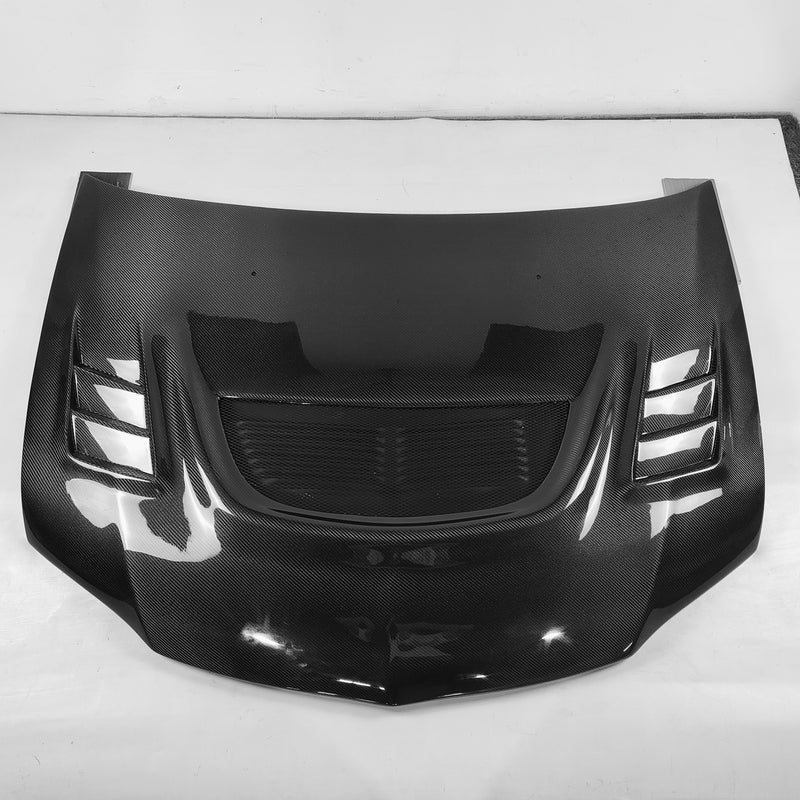
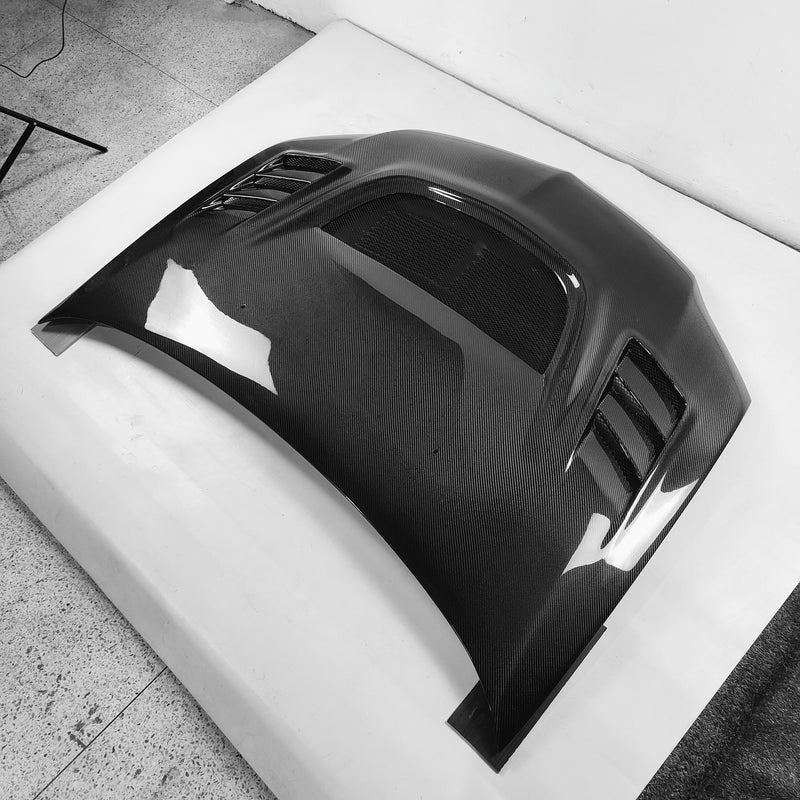
VT3 Carbon Hood | 2003–2007 Mitsubishi Lancer Evolution VIII & IX
$1,596.00 Original price was: $1,596.00.$1,100.80Current price is: $1,100.80.
70 in stock
Share Product :
Facebook
Twitter
LinkedIn
Pinterest
Description
VT3 Carbon Hood | 2003–2007 Mitsubishi Lancer Evolution VIII & IX
Firstly, Buy Evo VT3 carbon hood for 2003–2007 Mitsubishi Lancer Evolution VIII and IX. Upgrade your Mitsubishi with the Evo VT3 carbon hood, designed for 2003–2007 Mitsubishi Lancer Evolution VIII and IX models. Featuring distinctive VT3 styling, this aftermarket bonnet gives your Evo a more aggressive appearance while offering a carbon-fibre option for enthusiasts looking to personalise their car’s exterior.
Whether you’re building a street car, preparing a show vehicle or refreshing an existing project, the VT3 hood adds a distinctive detail to the front end. Its styling makes it a potential match for other aftermarket body components, allowing you to create a cohesive look across your Evo’s exterior.
The hood is listed for the Evolution VIII and IX, with material options depending on the selected variant. Before ordering, confirm the exact construction, surface finish and installation requirements to ensure the product suits your build.
Key Features of the Evo VT3 Carbon Hood
The Evo VT3 carbon hood is designed for Mitsubishi Evolution owners who want a more individual appearance than the standard factory bonnet. Its aftermarket styling makes it suitable for a range of exterior projects, from subtle visual upgrades to more extensive aero builds.
Key features and considerations include:
- VT3-inspired design: A distinctive bonnet style for modified Mitsubishi Lancer Evolution VIII and IX models.
- Carbon-fibre options: Carbon-fibre construction is available within the product range; verify the precise material selected before purchasing.
- 2003–2007 application: Listed for the Evo VIII and IX, subject to confirmation of the exact vehicle and variant.
- Exterior styling upgrade: Complements other carefully selected aftermarket body components.
- Custom finishing potential: Finish requirements depend on whether you choose a full-carbon, partial-carbon or fibreglass version.
- Project flexibility: Suitable for street, show and track-inspired builds when installed according to the manufacturer’s requirements.
Firstly, choose the correct material option for your intended use. Secondly, check whether the hood is supplied finished or requires surface preparation. Thirdly, test-fit the bonnet before completing paintwork or making permanent adjustments.
VT3 Hood Fitment for Evo 8 and Evo 9
This VT3 hood is listed for the 2003–2007 Mitsubishi Lancer Evolution VIII and IX, commonly identified by the CT9A chassis code. However, aftermarket bonnet fitment can vary by product version, so confirm compatibility with your exact model year and front-end configuration.
Before placing your order, check the following:
- Compatibility with your specific Evolution VIII or IX.
- Alignment with the factory hinges and bonnet mounting points.
- Compatibility with the original latch and secondary safety catch.
- Clearance around the headlights, front fenders and front bumper.
- Whether the selected version requires additional hood pins or other securing hardware.
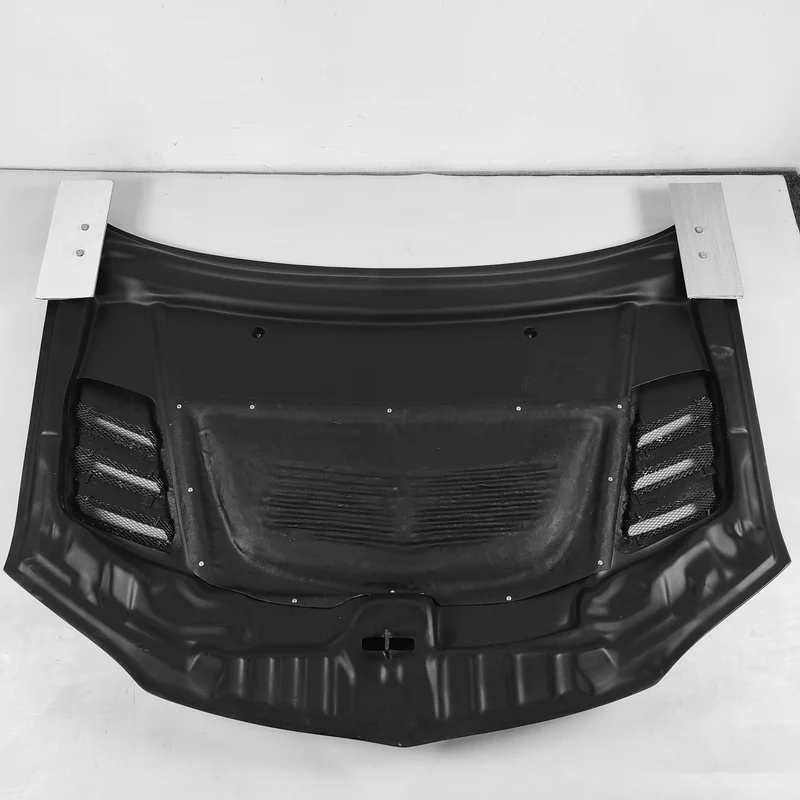
- Whether any vents, mesh, insulation or fittings are included.
If your Evo has previously undergone bodywork or a front-end conversion, the existing mounting points may require closer inspection. Aftermarket panels can also need adjustment to achieve consistent gaps around adjoining bodywork.
Do not assume that every VT3 hood variant has identical mounting arrangements. Check the product specifications and installation instructions for the exact version you intend to purchase.
Carbon-Fibre Styling for Your Mitsubishi Evolution
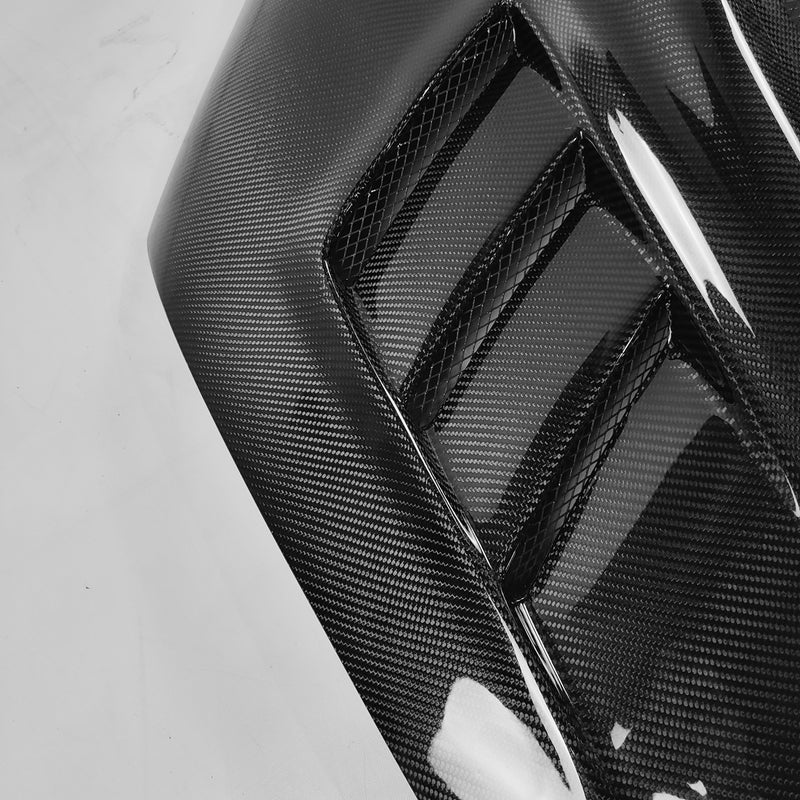
Carbon fibre is popular among performance-car enthusiasts because of its distinctive woven appearance and potential for lower weight compared with conventional steel panels. The visible weave can give an Evo a motorsport-inspired finish without requiring a complete exterior colour change.
The VT3 design can complement aftermarket front bumpers, side skirts, rear diffusers and other styling components. For a street build, it can provide a noticeable visual upgrade while retaining the familiar Evolution silhouette. For a show car, the carbon finish can become part of a coordinated exterior theme.
Actual weight savings depend on the hood’s construction, underside reinforcement, hardware and the original panel being replaced. Do not assume a specific weight reduction without verified specifications for the selected version.
Similarly, a carbon-fibre appearance does not establish that the entire panel is made from carbon fibre. Some versions combine carbon material with fibreglass or other supporting materials. Confirm the construction before comparing products.
Material and Finish Options
The available material and finish depend on the specific VT3 hood variant. The supplier’s product information identifies material choices within its range, so review the option selector and product details before checkout.
Carbon fibre: A suitable choice for buyers who want a visible woven finish. Confirm whether the selected version uses full-carbon construction or a combination of materials.
Partial carbon: Some variants combine carbon-fibre sections with fibreglass. Check which areas feature the carbon material and what the underside is made from.
Fibreglass: A potential option for builds where the desired shape and paint finish are the main priorities. Unfinished fibreglass normally requires preparation before painting.
Surface finish: Do not assume that every version arrives with the same clear coat or surface treatment. Confirm whether the selected hood is finished, raw or intended for additional preparation.
Package contents: Check whether the bonnet is supplied on its own or includes additional hardware and accessories. Hood pins, insulation, mesh and other fittings should not be assumed to be included unless the product listing confirms them.
Some unfinished fibreglass and partial-carbon components may require sanding, filling, priming or other adjustments before installation. Allow for professional preparation when planning your budget and build schedule.
Installation and Safety Considerations
Professional installation is recommended for aftermarket bonnet panels, particularly when the selected hood uses composite materials or requires adjustment.
Before final installation, test-fit the hood and check alignment along the front bumper, fenders and windscreen-side edges. Inspect the hinges and latch mechanism, and follow the supplier’s instructions for transferring any factory hardware.
Some aftermarket carbon-fibre hoods require supplementary retention hardware, such as hood pins. Requirements depend on the specific design, so confirm whether additional securing hardware is recommended or required for your version. Never assume that the factory latch alone is sufficient without checking the manufacturer’s instructions.
A careful installation process should include:
- Inspect the original hinges, latch and mounting points.
- Position the replacement hood and check panel alignment.
- Confirm that the primary latch and secondary safety catch operate correctly.
- Install any additional retention hardware specified by the manufacturer.
- Complete surface preparation and finishing after test fitting.
- Recheck all fasteners, clearances and locking mechanisms before driving.
Never drive the vehicle until the hood is securely mounted and every required retention system is functioning correctly.
Frequently Asked Questions
Which Mitsubishi models does the VT3 carbon hood fit?
The product is listed for 2003–2007 Mitsubishi Lancer Evolution VIII and IX models. Confirm the exact fitment with the supplier before ordering.
Is the entire hood made from carbon fibre?
Not necessarily. Material options can vary, and some versions may combine carbon fibre with fibreglass. Check the exact construction selected.
Does the hood arrive ready to install?
Fitment requirements depend on the variant. Some composite panels may require test fitting, trimming, sanding or other preparation before final installation.
Does the hood come painted?
The supplied finish varies by material and product option. Confirm whether the selected version has a finished carbon surface or requires preparation and paintwork.
Are hood pins required?
That depends on the specific product design. Follow the manufacturer’s instructions and verify whether supplementary retention hardware is required.
Can the VT3 hood improve performance?
A carbon-fibre hood may reduce weight compared with a heavier factory panel, but the actual difference depends on the construction. No specific weight saving or performance improvement should be assumed without verified product data.
Buy the Evo VT3 Carbon Hood
Give your Mitsubishi Lancer Evolution a distinctive exterior upgrade with the Evo VT3 carbon hood. Designed for 2003–2007 Evo VIII and IX applications, it offers an aftermarket styling option for enthusiasts who want to personalise their vehicle with a performance-inspired bonnet.
Before purchasing, confirm your model’s fitment, the selected material, the surface finish and any additional mounting requirements. Proper test fitting and secure installation will help achieve clean panel alignment and maintain safe bonnet operation.
Be the first to review “VT3 Carbon Hood | 2003–2007 Mitsubishi Lancer Evolution VIII & IX” Cancel reply
Related Products
Related products
-
Sale!

OEM Mitsubishi Oil Pump with Front Case | 2003-2006 Mitsubishi Evo 8/9 (MD366260)
Rated 3.60 out of 5$610.99Original price was: $610.99.$549.89Current price is: $549.89. -
Sale!

GSC Power-Division Viton Valve Stem Seals | Mitsubishi 4G63T (1002)
Rated 5.00 out of 5$16.75Original price was: $16.75.$14.24Current price is: $14.24. -

Kiggly Racing HLA Oil Pressure Regulator | Mitsubishi DOHC 4G63 DSM / Evo
Rated 3.80 out of 5$165.00 -
Sale!

ARP Head Stud Kit | 1994.5-1999 Mitsubishi Eclipse/Eagle Talon and 2003-2006 Mitsubishi Evo 8/9 (207-4203)
Rated 4.00 out of 5$151.49Original price was: $151.49.$136.15Current price is: $136.15.
Reviews
There are no reviews yet.