Evo X Tubular Exhaust Manifold: Benefits, Fitment & Supporting Mods
Is a tubular manifold right for your Evo X?
An Evo X tubular exhaust manifold can improve the path from the cylinder head to the turbo, but it only works as part of a heat-managed, leak-free and properly tuned system.
What a tubular exhaust manifold changes
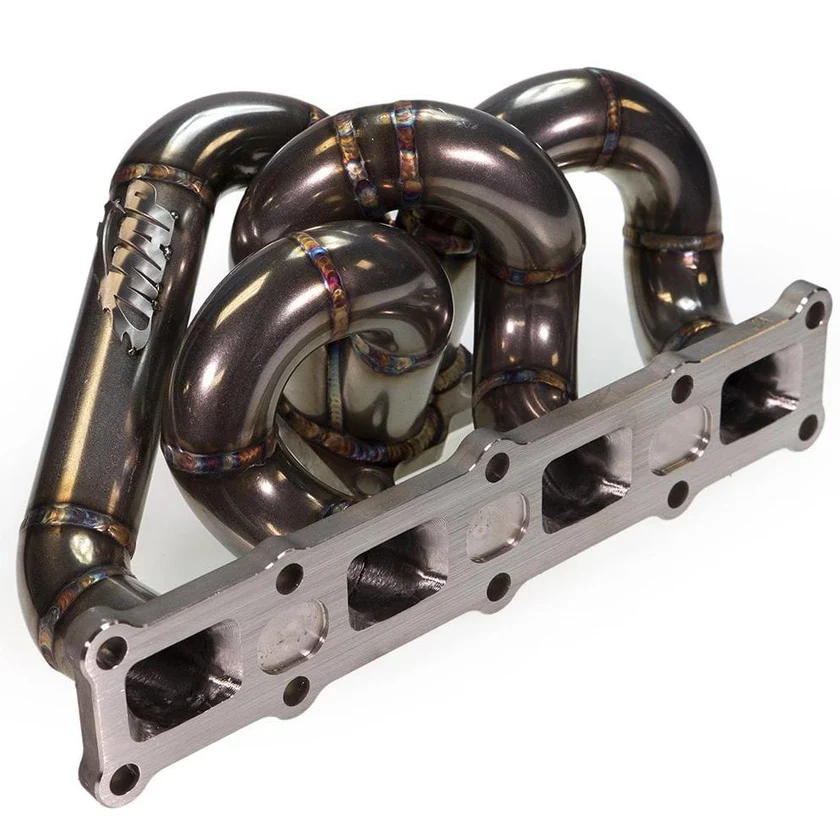
The manifold collects exhaust pulses and directs them into the turbine housing. Runner shape, diameter, merge design and fabrication quality influence how consistently that energy reaches the turbo. A well-built tubular manifold may support a higher-flow turbo and reduce a restriction in a serious performance combination. It is not an automatic horsepower upgrade on every car.
If the rest of the system is stock, poorly matched or leaking, the manifold cannot solve the underlying problem. Start with a clear power goal and choose the turbo, wastegate arrangement, downpipe, fuel system and calibration as one package.
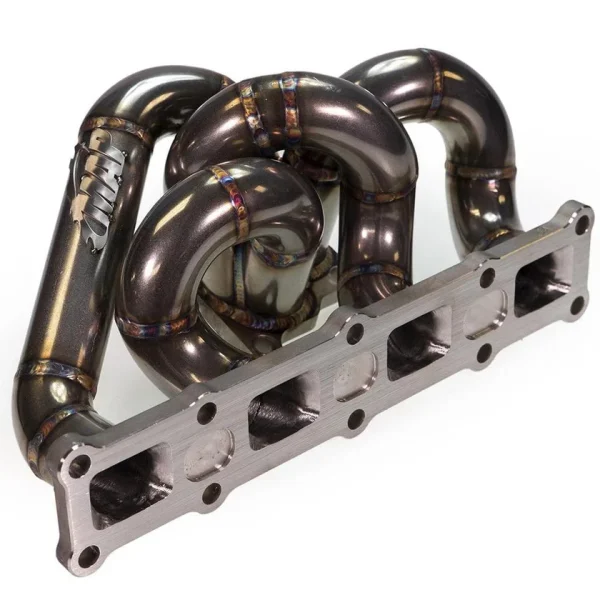
Featured Evo X manifold
The MAPerformance tubular manifold is listed for the 2008–2015 Evo X. Before ordering, compare the exact product configuration with your turbo, wastegate, downpipe, engine-bay hardware and intended use.
View the tubular manifoldSupporting mods to plan before installation
- Turbo and turbine housing: confirm flange style, orientation and clearance.
- Wastegate control: match the manifold and turbo configuration, then route lines away from heat.
- Downpipe and exhaust: verify alignment so the exhaust does not preload the manifold.
- Fuel and ECU calibration: airflow changes must be logged and tuned safely.
- Cooling and heat control: protect wiring, hoses, fans and nearby painted surfaces.
Heat management matters as much as flow
Tubular manifolds expose more surface area than a compact cast design. That can raise under-hood temperatures, especially during repeated pulls or track use. Inspect heat shields, blankets or coatings for compatibility with the manufacturer’s instructions. Keep wiring and fluid lines secured with adequate clearance, and recheck them after the first heat cycles.
When a tubular manifold makes sense
It makes the most sense when the stock manifold no longer matches the turbo system or power target, when a particular turbo kit requires it, or when packaging and wastegate control are being redesigned deliberately. For a lightly modified daily driver, the cost and heat may outweigh the benefit.
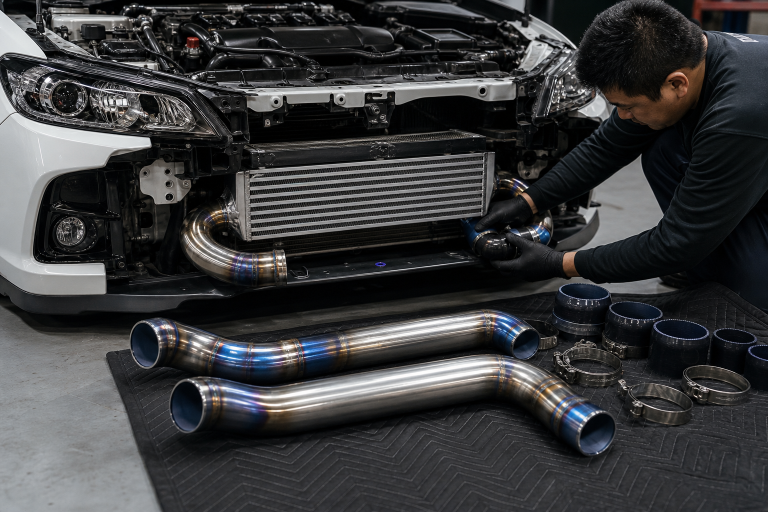
For a complete higher-flow build, compare the manifold with the ETS Evo X turbo kit and related upper intercooler piping. Compatibility must be confirmed rather than assumed.
Installation checklist
- Inspect the cylinder-head sealing surface and studs.
- Use the specified gasket and torque sequence.
- Support the downpipe and exhaust without forcing alignment.
- Pressure-check boost-control plumbing and inspect for exhaust leaks.
- Log boost, fuel pressure, air-fuel ratio and knock behavior with the tuner.
- Reinspect fasteners and nearby components after heat cycling.
Build the system, not just one part
The right Evo X tubular exhaust manifold is a foundation for a matched turbo system. Confirm fitment first, manage heat carefully and tune the finished combination.
Check current manifold details